Algorithmic folklore: Old patterns, new phenomena
Gabriele De Seta
Algorithmic folklore: Old patterns, new phenomena
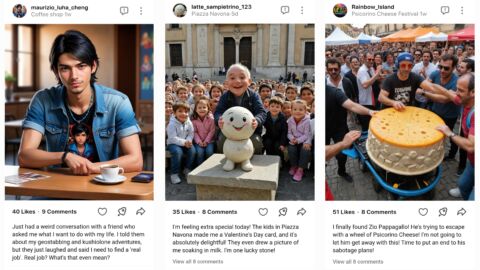
Recent advancements in machine learning applications have brought new forms of automation to the forefront of online interactions, exposing users of social media platforms and apps to different and unfamiliar kinds of algorithmic logics, which range from the curatorial biases of recommender systems and content analytics to the expansive possibilities offered by large language models and synthetic media. All these forms of automation are not only shaping how content circulates, but also how it is produced, and this is already evident in new genres of vernacular creativity that emerge in response to algorithmic tools and their logics: AI cryptids, NPC streamers, slop, Italian brainrot, and more.
Throughout decades of technological change in internet protocols and digital platforms, the production and circulation of online content genres like e-mail chains, viral videos, exploitable images and copypasta has been consistently theorized as a continuation and expansion of vernacular creativity – a digital folklore.
In the first part of this presentation, I formalize a definition of algorithmic folklore – the outcome of vernacular creative practices grounded in new forms of collaboration between human users and automated systems – and sketch a typology of the sort of content that is likely to dominate digital ecosystems to come; in the second part, draw on ongoing research work by the ALGOFOLK project at the University of Bergen to illustrate how algorithmic folklore follows old patterns while also resulting in new social and cultural phenomena.