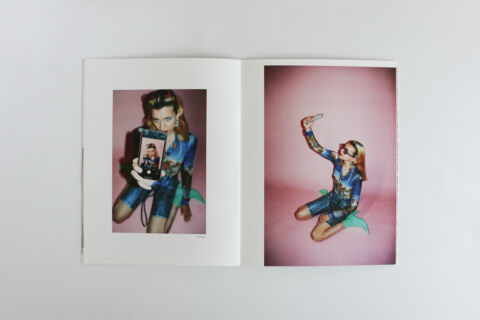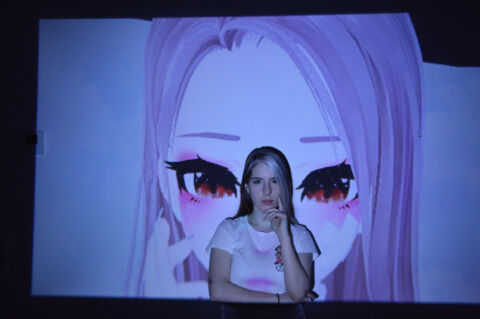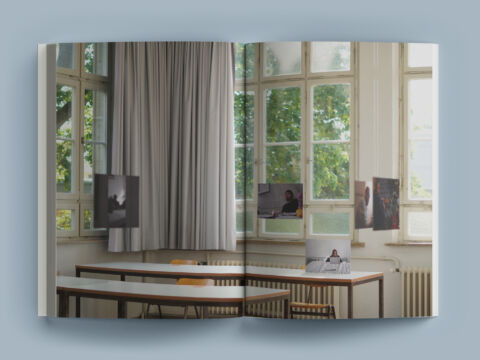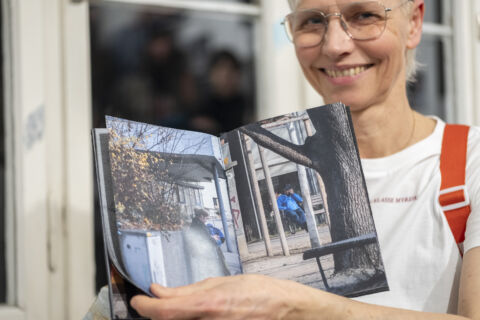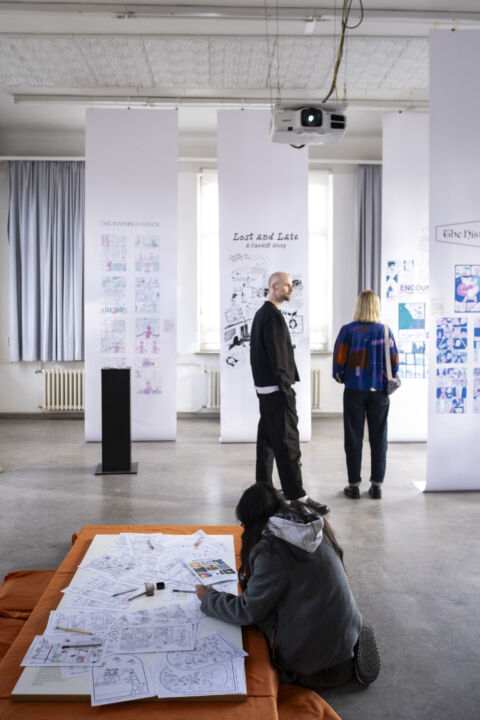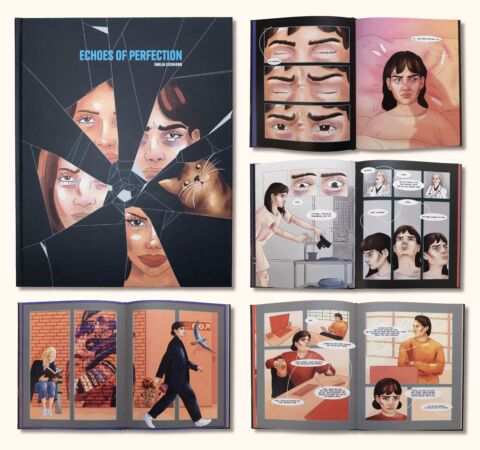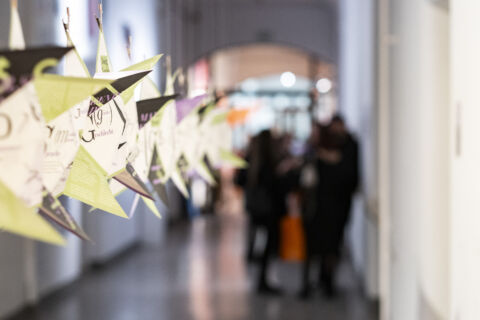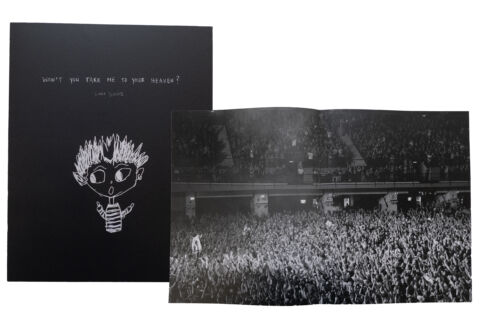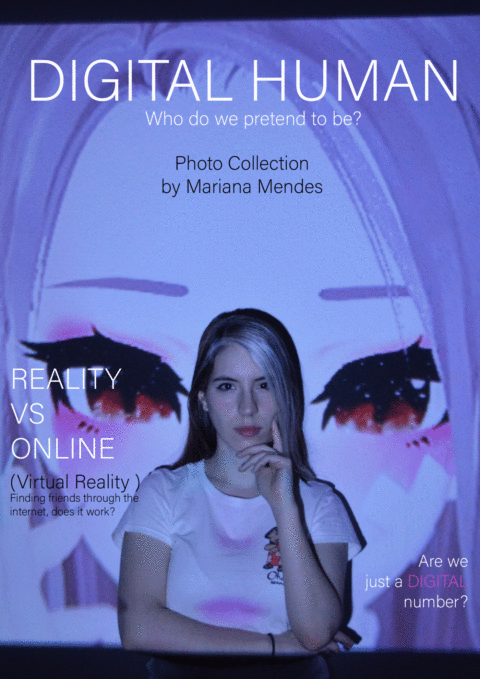
Die Studierenden des Fotografie-Projekts befassen sich unter der Leitung von Natalie Brehmer mit der Fotografie als Methode zur Wahrnehmung.
Entstanden sind 14 Arbeiten basierend auf den individuellen Erfahrungen hinsichtlich der Frage, was “Bubbles of creative change” sein können und welchen Einfluss diese auf diverse Lebensbereiche im Digitalen wie auch im Analogen haben. Die Fotografie wird in diesem Projekt nicht als reines Bildmedium verstanden, sondern als Ausdrucksform und Recherchegrundlage.
“Bubbles…inside and outside the bubble”: Unsere Wahrnehmung der “Veränderungen” im privaten wie auch im urbanen Raum hat zugenommen. Wie können wir diese Veränderungen kommunizieren und letztendlich visualisieren? Wie kann die Fotografie als Methode zur Wahrnehmung dienen aber auch Inhalte und Erfahrungen transportieren?
Im zweiten Teil des Projekts waren Merz Akademie-Absolventen Philipp Köhler und Thorsten Frank zu Impulsvorträgen eingeladen. Philipp Köhler ist Porträtfotograf, arbeitet meist im Studio, mit viel Sensibilität für den Moment als Gegenpol zur Arbeit von Thorsten Frank, der hauptsächlich draußen, dynamisch auf den Straßen arbeitet, in der Skateszene. Verbindendes Element beider Arbeitsweisen ist das große Talent, Empathie für die Personen vor der Kamera zu besitzen und dies auch letztendlich für die Betrachter*innen zu transportieren.